Vegan Iron Sources: 8 Plant Foods That Work
, 13 min reading time
Discover the best vegan iron sources, from lentils to pepitas, plus practical tips to boost absorption so your plant-based diet covers your iron needs.
Plant-based iron works best when you plan the meal around it. Vegan foods provide non-haem iron, which the body absorbs less readily than haem iron from meat. The RACGP's guidance on meeting nutritional needs estimates iron absorption at about 10% from vegetarian diets versus 18% from mixed diets. It also advises adults aged 19–50 following vegan or vegetarian diets to aim for 32 mg of iron a day for women and 14 mg for men. Pairing iron-rich foods with vitamin C helps, while phytates in some grains and legumes, and tannins in tea and coffee, can limit absorption.
The eight foods covered here are lentils, chickpeas, tofu, pumpkin seeds, hemp seeds, blackstrap molasses, fortified breakfast cereals and cooked leafy greens. Build them into meals with a vitamin C source, such as tomato, capsicum or citrus. Keep tea and coffee away from your main iron meal, and use soaking, sprouting or fermenting to reduce phytates in legumes and grains. If considering a supplement, get advice on the right dose and avoiding iron supplement dosing mistakes.
Planning can matter, particularly for females. The Australian Bureau of Statistics' nutrition survey found that 26.8% of females had an inadequate usual iron intake, compared with 8.2% of males, in its 2023 survey. Those figures don't show that vegan diets cause deficiency; they highlight why it helps to choose iron sources deliberately rather than relying on one ingredient.
Lentils are a dependable base for meals because they're easy to keep in the pantry and work in everything from soups to pasta sauces. Red lentils soften quickly into dal, while green and brown varieties hold their shape better in salads, stews and a lentil bolognese. Rinse dried lentils before cooking, then simmer until tender. You don't need to soak them first, though soaking, sprouting or fermenting legumes can help reduce phytates, which can inhibit mineral absorption. Australian dietary guidance discusses these preparation methods and the value of combining foods to support iron uptake.
The easiest upgrade is to add vitamin C to the same meal. Make red lentil dal with tomato and finish it with lemon juice, or stir sliced capsicum through a warm lentil salad. A squeeze of lemon is useful, but so is serving the lentils with a side of broccoli or tomato. For more ideas about foods that provide vitamin C, see this guide to vitamin C foods available in Australia.
Practical rule: Keep tea and coffee out of the lentil meal. Their tannins and other polyphenols can interfere with non-haem iron absorption.
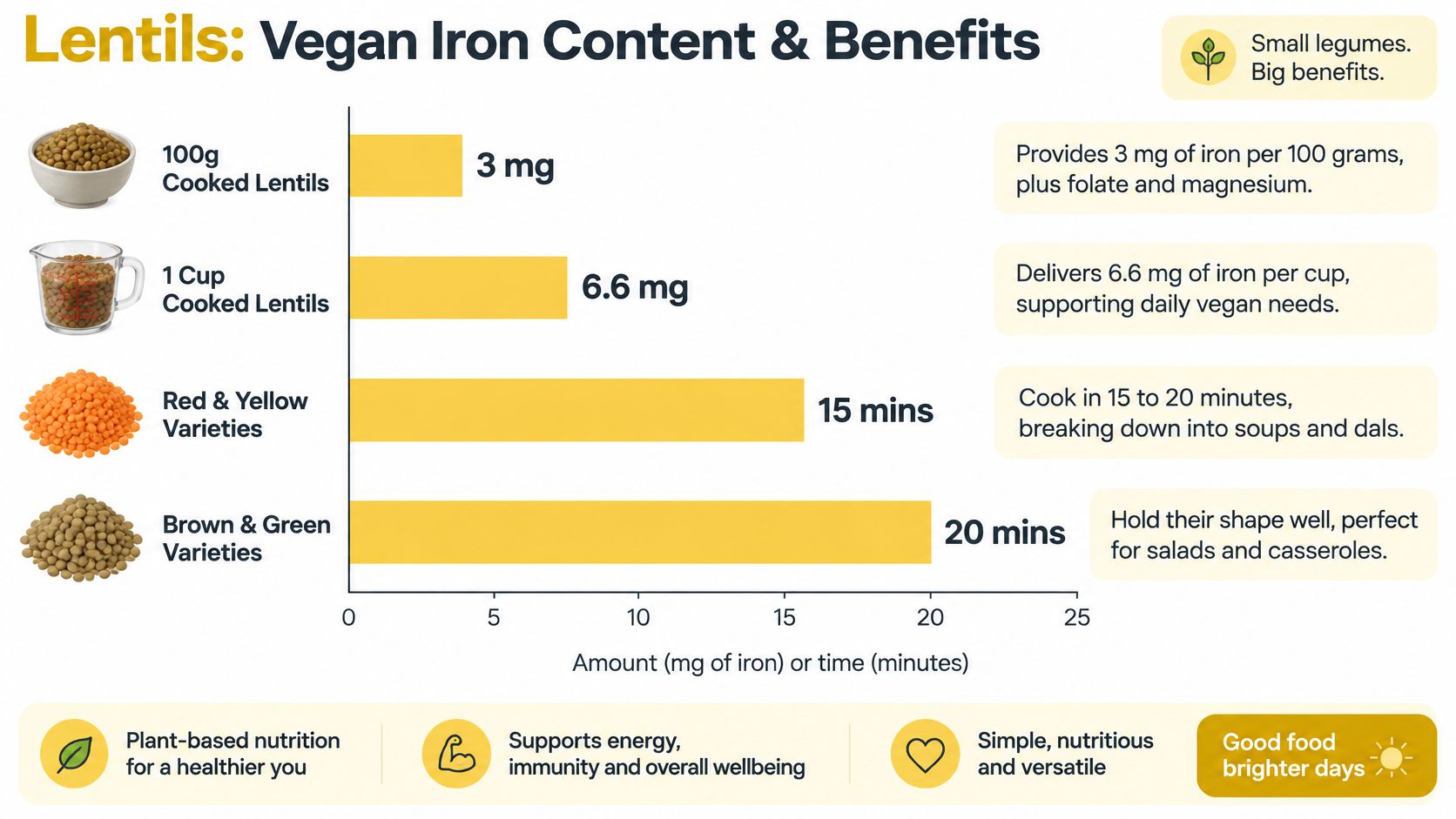
For a low-effort weeknight meal, batch-cook lentils and freeze meal-sized portions. Reheat one with tomato, garlic and spices, then add lemon juice just before serving. The citrus doesn't replace the lentils, and the lentils don't guarantee that all their iron will be absorbed. The pairing makes the meal work harder.
Build the vitamin C pairing into the chickpea meal. Spread hummus in a wrap with capsicum and tomato, stir chickpeas into a tomato-based chana masala, or serve falafel with tomato or capsicum. These additions help make the meal's iron more available for absorption.
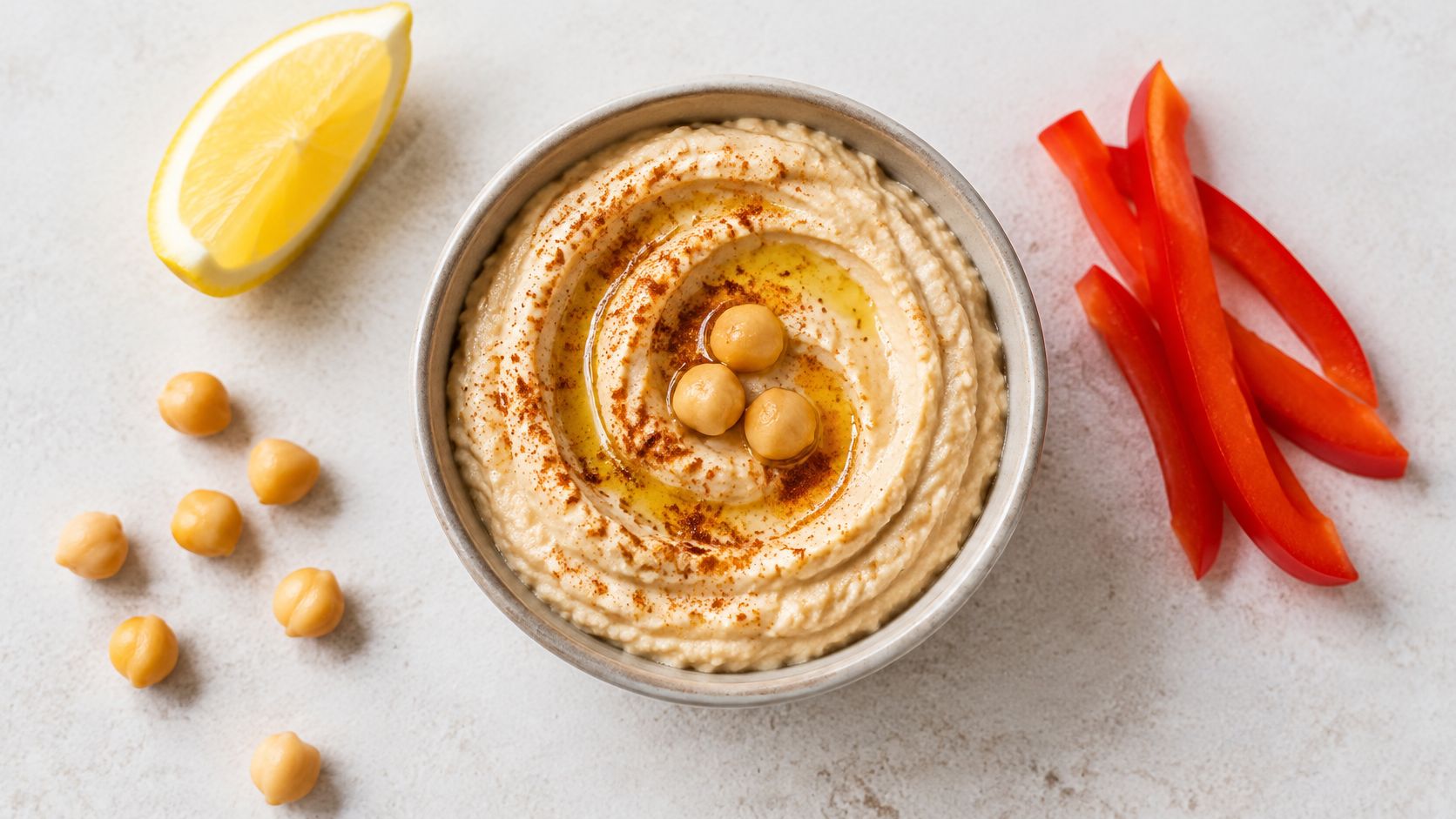
For a quick lunch, spread hummus in a wrap, then add capsicum, tomato and leafy herbs. A squeeze of lemon in the hummus or dressing adds another bright, acidic flavour. Chickpea flour also works in savoury pancakes or socca; serve them with tomato salsa.
Canned chickpeas are ready to use after draining and rinsing. Add them to salads, curries or soups, or cook dried chickpeas in a batch and freeze portions for later. Chickpea flour offers another convenient option when you want chickpeas in a quick meal.
Tea and coffee can interfere with non-haem iron absorption, so have them between meals rather than alongside a chickpea-heavy lunch or dinner. Pair chickpeas with capsicum, tomato or lemon, and the meal is working in iron's favour.
For dinner, brown firm tofu in a pan, then toss it with broccoli and capsicum and serve with rice. The vegetables add vitamin C, which helps your body absorb iron from plant foods. Pressing gives the block bite; it does nothing for iron, so build the plate around vitamin C.
Tofu's iron content varies between products. Coagulants and firmness differ by brand, so compare nutrition panels rather than assuming every block contributes the same amount. Firm or extra-firm tofu holds its shape in stir-fries and tray bakes.
Silken tofu blends smoothly into sauces, desserts and smoothies, while firmer blocks are easier to crisp in a pan. Choose the texture that suits the recipe, then check the label if you're comparing iron and calcium. A large calcium-fortified drink alongside an iron-focused meal may reduce iron absorption, so have it at another time if you're prioritising iron.
Tomato and lemon also work well with tofu scramble. For a broader look at plant protein compared with whey, see this overview. Pair tofu with a vitamin C food, and keep tea or coffee away from the meal.
A lentil salad with tomato, lemon dressing and a scattering of pepitas makes a practical iron-focused lunch. The seeds add crunch and some iron, while the tomato and lemon bring vitamin C to the same meal. Keep tea and coffee for later, as tannins can interfere with iron absorption.
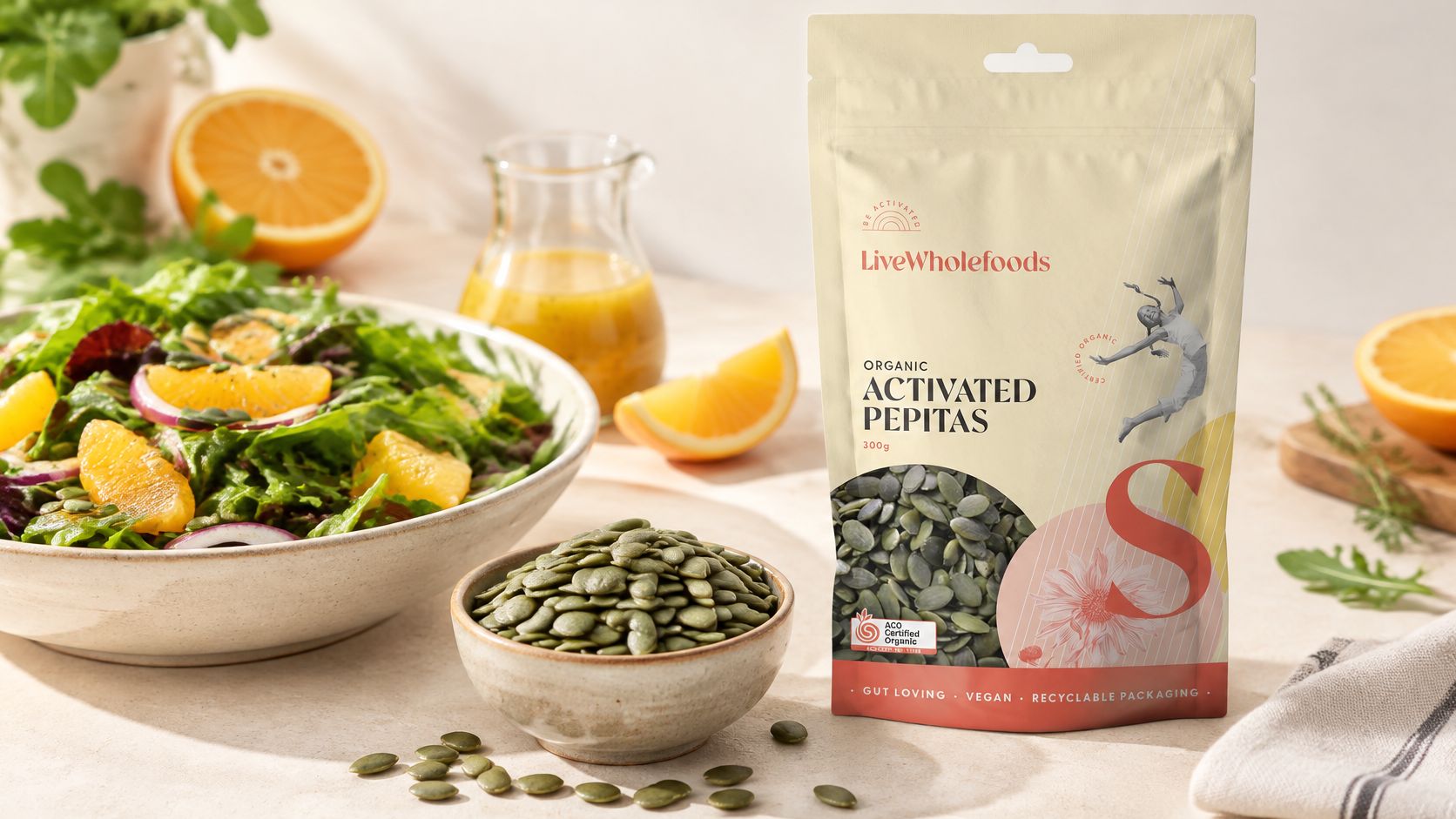
Pepitas contain phytates, which can limit how much iron the body absorbs. A quick dry toast improves their flavour, but it does not remove all the phytates. Pair them with capsicum, tomato or citrus rather than relying on preparation alone.
For breakfast, scatter pepitas over porridge with berries. A handful is an easy addition, though its iron contribution depends on the amount and the product. Check nutrition panels when comparing packaged seeds, and pay attention to the stated serving size.
Pepitas also work alongside hemp seeds, which have a soft texture and mild, nutty taste. Hemp Foods Australia Organic Hemp Seeds Hulled can be sprinkled over salads, stirred into yoghurt or blended into smoothies. Seeds provide other nutrients too, including zinc. Read more about the health properties of zinc. For an iron-focused meal, use seeds as a topping and include a vitamin C-rich ingredient.
Two tablespoons of hemp hearts stirred into a veggie burger mix add a mild, nutty flavour and help bind the ingredients. Hulled hemp seeds also blend smoothly into dressings or dips, making them an easy addition beyond breakfast.
Hemp hearts contain iron, but phytates can limit how much the body absorbs. Add them to a varied diet alongside iron-rich foods such as legumes, tofu and fortified products, rather than relying on seeds alone.
Whisk together 2 tablespoons tahini, 1 tablespoon hemp hearts, 1 tablespoon lemon juice and enough water to make a pourable dressing. Spoon it over a salad or roasted vegetables. The lemon brings vitamin C to the meal; the seeds add texture and flavour.
Spiral Foods Premium Organic Hulled Tahini 375g is made from hulled sesame seeds and can also be used in hummus or as a spread. Keep hemp hearts in the fridge or freezer to help preserve their oils.
Stir one tablespoon of blackstrap molasses into warm oats with berries. The berries provide vitamin C, which helps your body absorb non-haem iron. Check the label: lighter molasses is a different product, and its iron content can differ.
Blackstrap's strong, slightly bitter flavour suits spiced porridge, gingerbread and barbecue-style sauces. For a savoury meal, serve the sauce with tomato, capsicum or broccoli. Tea and coffee can reduce iron absorption, so have them later rather than alongside your oats.
Start with a small amount and taste as you go. Blackstrap's deep, bitter edge can dominate a recipe if you use it like a mild sweetener.
The iron listed on a label is not all absorbed by the body. Get your iron status checked with a GP if you rely on molasses for iron.
Fortified cereal can make breakfast a practical source of vegan iron, but the amount varies by product. Compare iron per serve on the nutrition panel, and check that the stated serving matches what you usually pour. Australian dietary findings report that cereal-based mixed dishes, ready-to-eat breakfast cereals, bread and bread rolls collectively supplied 37.3% of dietary iron in 2023.
Build the bowl around a cereal with a useful iron contribution, then add berries, orange segments or kiwifruit for vitamin C. Pepitas add another iron-containing ingredient. Tea and coffee contain tannins that can inhibit iron absorption, so have them later rather than with breakfast.
Weet-Bix, fortified muesli and other cereals can differ in iron content. Check the label rather than relying on a familiar brand or a “wholegrain” claim. Weigh the iron contribution against added sugar and wholegrain content when choosing a cereal you'll eat regularly.
For an Australian-style breakfast, serve fortified cereal with berries and pepitas, then move tea or coffee to later. If you use fortified plant milk, check its calcium content and consider having it at another time from your main iron-focused meal. Use the cereal's iron-per-serve figure to compare products.
Stir 200 g of frozen spinach into a lentil dal, then finish it with tomato and a squeeze of lemon. The lentils anchor the meal; spinach adds greens, while tomato and lemon provide vitamin C alongside the plant iron.
Spinach contains non-haem iron, but oxalates limit how much the body can absorb. Cooking shrinks its volume, making a generous portion easier to eat, though it doesn't remove that trade-off. Frozen spinach also works well stirred into tomato pasta sauce with beans or tofu.
Broccoli's preparation can affect iron absorption: Better Health Channel's iron guidance reports roughly 30% absorption from cooked broccoli, compared with about 6% from raw. Serve cooked greens with tomato, capsicum or lemon, and keep tea or coffee away from the meal if you're focusing on iron.
Use spinach for variety and volume, not as the meal's main iron anchor. Lentils provide a more dependable foundation; spinach works best alongside them.
Serving size matters: 100 g of seeds is a large portion, while a tablespoon of molasses is easy to add to a meal. The table compares typical servings; figures vary with food preparation and, for tofu and cereal, the product label.
| Typical serving | Typical iron per serving | Practical pairing |
|---|---|---|
| Lentils, 1 cup cooked | About 6.6 mg | Tomatoes, capsicum or lemon |
| Chickpeas, 100 g cooked | About 2.9 mg | Capsicum, tomato or lemon |
| Firm or extra-firm tofu, one portion | Varies by product; check the label | Citrus, tomatoes or capsicum |
| Pumpkin seeds, 100 g dried | About 8.8 mg | Add to a meal with citrus |
| Hemp seeds, 100 g hulled | About 7.9 mg | Serve with berries or lemon |
| Blackstrap molasses, 1 tablespoon | About 3.5 mg | Stir into a meal served with orange |
| Fortified breakfast cereal, 1 serve | Varies by product; check the label | Serve with orange slices or berries |
| Cooked spinach, 100 g | About 3.6 mg | Combine with tomato, capsicum or lemon |
Build the day around iron-rich foods and the pairings that help your body absorb their non-haem iron. At breakfast, have fortified cereal with pepitas and berries. Check the cereal label for iron per serve, and save tea or coffee for later rather than drinking it with the meal. Prefer porridge? Add hemp hearts and serve it with berries.
At lunch, make lentil dal with tomato and finish with lemon juice. Lentils provide the iron; tomato and lemon add vitamin C to the meal. Chickpea hummus with capsicum and tomato is another practical lunch or snack. Soaking, sprouting or fermenting legumes and wholegrains where practical can help reduce phytates.
For dinner, stir-fry firm tofu with broccoli and capsicum, then serve it with rice. Keep tea and coffee about an hour away from iron-focused meals, and don't count on spinach alone to supply your iron. The Healthdirect guidance on vegetarian and vegan diets also advises considering the timing of tea, coffee and other potential inhibitors, including calcium.
Food choices are only one part of iron status. The ABS National Health Measures Survey found that 3.3% of Australians had serum ferritin below the World Health Organization cut-off for iron deficiency, defined as less than 15 µg/L. Ferritin reflects stored iron, and the survey found low ferritin was more common among females than males. Speak with a GP or dietitian if you have persistent fatigue, heavy menstrual bleeding, pregnancy, gastrointestinal symptoms or a low-ferritin result. Ask a GP or dietitian before starting an iron supplement, especially for children or during pregnancy.
A varied vegan diet can include useful iron sources, but iron needs and absorption differ between people. Healthdirect's guidance explains that dietary intake, absorption and individual needs all matter. Wallaby Wellness offers vegan food and supplement options through its Australian online store; discuss supplement choices with a healthcare professional.
Wallaby Wellness brings together pantry foods, supplements and wellness essentials, including vegan options, in its Australian online store. Browse Wallaby Wellness for foods and supplement options to discuss with your healthcare professional.